

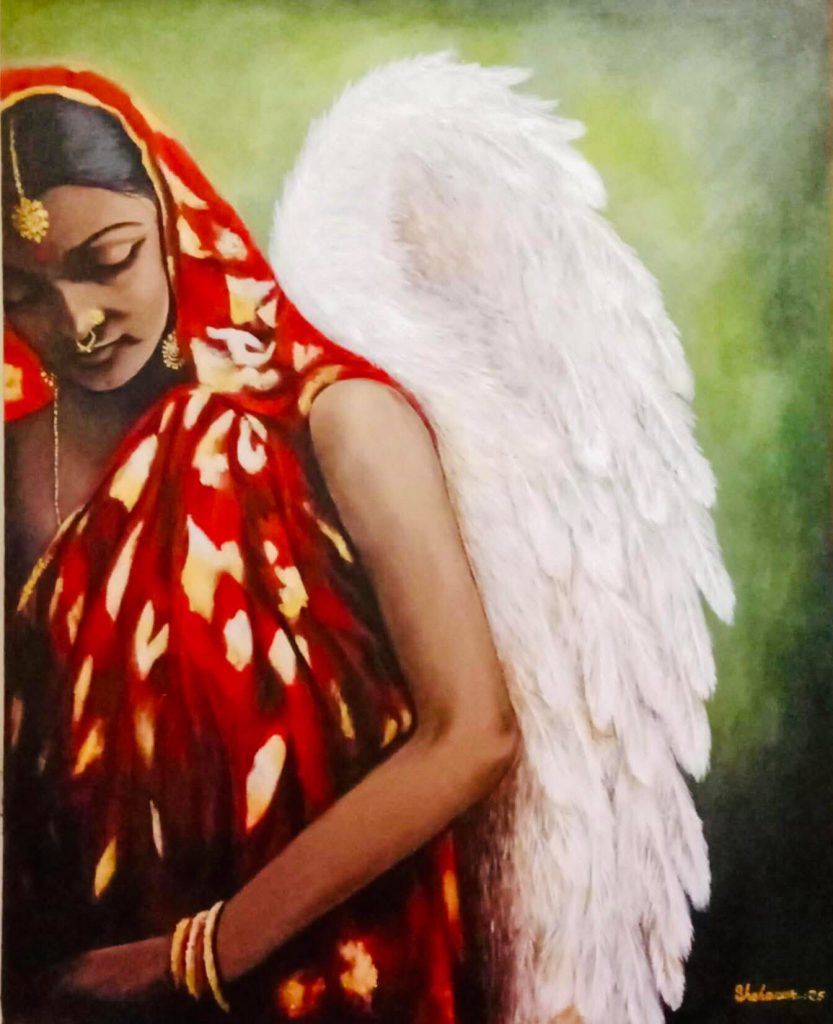
Contribution of Art Echo Foundation (Artists Perspective)
Art can be broadly defined as the conscious use of skill and creative imagination to produce works that are appreciated primarily for their beauty or emotional power. Art is a visual object or experience consciously created through an expression of skill or imagination. The term art encompasses diverse media such as painting, sculpture, printmaking, drawing, decorative arts, photography, and installation. Art history provides a framework for understanding how past events and cultural forces continue to influence the present, fostering a deeper awareness of the intertwined nature of human culture and creative expression. Impact of Art (In Our Lives): Art is everything to our society. It has played a key role in human history, serving as a mirror of our communities and their values and ethos. From the prehistoric cave paintings to digital drawings, art has impacted our lives in a myriad of ways. Its ability to evoke emotions, stimulate the mind, and transport us to another world is unmatched. Art is well beyond just a form of self-expression and a source of entertainment. It possesses immense power to become a harbinger of change, shape our communities, and bring people from all walks of life together. Ways art impacts (Our Lives): Engaging in artistic activities stimulates the development of imagination, innovation, and the ability to generate new ideas, solutions, and perspectives It involves learning about the elements and principles of art, as well as the historical and cultural context in which works of art were created. It connects us to our thoughts, feelings, and how we view the world. When we do connect with a certain piece of art, we can often encounter a rise in our emotions, given the fact the art we’re viewing introduces us to new experiences. Painting and drawing enhance mental focus and clarity. Artistic practices support attention, presence, and inner balance Engaging with art, especially in group settings or through art therapy, helps people develop communication, collaboration, empathy, and self-awareness through shared creative experiences Cultural commentary in arts refers to artistic expressions that critique, reflect on, or analyze cultural norms, values, and social issues. Whereas, social commentary photography’s purpose is to expose social issues on ethics, society, religious, the way of life, how people live and other similarities. Engaging in artistic activities, like creating or viewing art, positively impacts brain function and overall mental and physical health by reducing stress, improving mood, boosting cognitive abilities, and fostering a sense of accomplishment and connection. Participating in creative pursuits lowers cortisol levels. Art therapy is frequently combined with conventional talk therapy or medication, producing positive results. People can express their emotions and feelings in ways through art that may be challenging to do so through words alone.. The history of art focuses on objects made by humans for any number of spiritual, narrative, philosophical, symbolic, conceptual, documentary, decorative, and even functional and other purposes. Primary emphasis is on its aesthetic visual form. Visual art can be classified in diverse ways, such as separating fine arts from applied arts; inclusively focusing on human creativity; or focusing on different media such as architecture, sculpture, painting, film, photography, and graphic arts. Art doesn’t just belong to museums, private collections, and galleries. In fact, studies show that having art on display in the workplace may considerably improve employee morale. Artwork enhanced the overall environment of workstations. The presence of art is equally important for establishments that welcome clients since it not only sends a statement about the business but also sets the mood emotionally. The relationship between art and politics is multifaceted. Art can contribute to political discourse by supporting the current political and ideological views. However, more often than not, art is a disruptive form, that serves as a tool for changing existing political and social realities. Art can address certain political issues or reinterpret different social structures Particularly in a society where linguistic differences can lead to conflict, art serves as a global means of communication. Art is a common experience that unites individuals and promotes a greater feeling of empathy and comprehension. Engaging with various art forms—such as literature, music, and visual arts—can help individuals understand and share the feelings of others by providing emotional connections, fostering perspective-taking, and reflecting shared human experiences